

Shaped Wire Drawing Dies
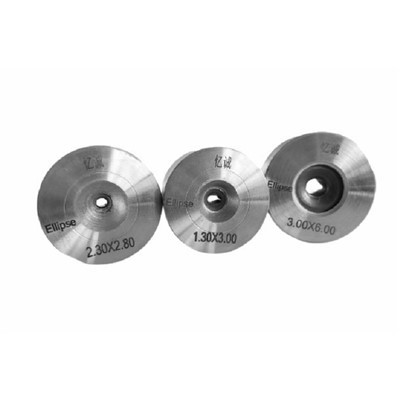
Shaped wire drawing dies are specialized tools used in the manufacturing process of shaping wires into various forms. These dies play a crucial role in maintaining precision and accuracy during the wire drawing process. Shaped wire drawing dies are typically made from special materials such as tungsten carbide or diamond, which enhance their durability and resistance to wear and tear.
One of the primary advantages of using shaped wire drawing dies is the ability to produce wires with precise dimensions. By controlling the shape and size of the die, manufacturers can create wires that meet specific requirements for diameter, roundness, and surface finish. This level of precision is crucial in industries such as electronics, automotive, and aerospace, where even the smallest deviation in wire diameter can affect the performance of the final product.
In addition to dimensional accuracy, shaped wire drawing dies also offer improved material properties. As the wire is drawn through the die, it undergoes a process of work hardening, which increases its strength and durability. This is particularly important in applications where the wire will be subjected to high levels of stress or wear, such as in springs, cables, and fasteners. By using shaped wire drawing dies, manufacturers can produce wires that are not only dimensionally accurate but also have the necessary mechanical properties to meet the demands of their intended use.
Another benefit of using shaped wire drawing dies is the ability to produce wires with complex shapes and profiles. Traditional round wire drawing dies are limited in their ability to create wires with non-circular cross-sections, such as square, rectangular, or hexagonal shapes. Shaped wire drawing dies, on the other hand, can be custom-designed to produce wires with a wide range of profiles, allowing manufacturers to meet the unique requirements of their customers.
Shaped wire drawing dies can help reduce material waste and production costs. By using dies that are tailored to the specific dimensions of the wire being produced, manufacturers can minimize the amount of material that is wasted during the drawing process. This not only reduces raw material costs but also improves overall efficiency and sustainability in the manufacturing process.



Why Choose Us
Our factory
Founded in 1980,cangzhou yicheng wire die co., ltd. Is a comprehensive die professional enterprise integrating r&d, production, sales and maintenance.Through the unremitting efforts of yicheng people, the production scale and service scope of the enterprise are expanding day by day.
Our product
At present, the main products are: Electromagnetic wire drawing die, power transformer wire drawing die, light voltage wire drawing die, wire and cable wire drawing die, diamond coated wire drawing die, stainless steel wire drawing die, etc.
Production market
The company's products are sold to more than 100 domestic enterprises in more than 20 provinces, accounting for 70% of the domestic market share.
R&d team
Cangzhou yicheng wire die co., ltd. Is a comprehensive die professional enterprise integrating r&d, production, sales and maintenance.
The Production Process of Shaped Wire Drawing Dies
Four steps and key data calculation method of the drawing die for the drawing die
Drawing die drawing is based on the blank size and metal wire size to determine the drawing way, drawing die hole size and shape of the work, also called drawing process or drawing route formulation. It can be divided into single pass drawing die and multi pass drawing die. Drawing die main steps include the following four steps: 1. Choose blank; 2. To determine the number of middle annealing; 3. Make sure the drawing time and channel allocation coefficient of elongation; 4. Model checking. The circular section of the metal wire drawing and profiled metal wire drawing two situation, specific details of the drawing die steps and calculation methods.
Introduction of the principle of the model of the sliding type wire drawing machine and the calculation of the model
Drawing die refers to our drawing process, the methods of drawing die are chosen by the dollar. A reasonable allocation of the model has two main points and mechanical; sliding type wire drawing machine has the fixed pull wheel speed ratio, the dynamic type drawing machine with die calculation example, calculate the copper 7.2 mm and appeared to pull rod to 1.6mm copper related data.
One of the most important factors to consider when choosing a shaped wire drawing die is the material. The material of the die will affect its durability, wear resistance, and ability to withstand high temperatures and pressures. Common materials used for wire drawing dies include carbide, diamond, and steel. Carbide dies are known for their high wear resistance and durability, making them ideal for drawing hard and abrasive materials. Diamond dies are the most durable and can withstand high temperatures and pressures, making them suitable for drawing high-strength materials. Steel dies are more affordable but may wear out faster than carbide or diamond dies.
Another important factor to consider when choosing a shaped wire drawing die is the shape of the die. The shape of the die will determine the final shape of the wire being drawn. Common shapes for wire drawing dies include round, square, hexagonal, and custom shapes. Round dies are the most common and are used for drawing round wire. Square and hexagonal dies are used for shaping wire into square or hexagonal shapes. Custom-shaped dies can be designed to produce wire in unique shapes and sizes.
Size is another important factor to consider when choosing a shaped wire drawing die. The size of the die will determine the final diameter of the wire being drawn. It is important to choose a die that is the right size for the wire you are drawing to ensure that you achieve the desired diameter. Dies come in a range of sizes, from small dies for fine wire drawing to large dies for heavy wire drawing.
Choosing the right shaped wire drawing die for your specific needs is essential to achieving the desired results in wire drawing. Consider factors such as material, shape, size, and coating when selecting a die for your wire drawing process. By choosing the right die, you can ensure that you produce high-quality wire that meets your specifications.
Shaped wire drawing dies are specialized tools used in the manufacturing process of shaping wires into various forms. These dies play a crucial role in maintaining precision and accuracy during the wire drawing process. Shaped wire drawing dies are typically made from special materials such as tungsten carbide or diamond, which enhance their durability and resistance to wear and tear.
The future outlook for the shaped wire drawing dies market is expected to be promising. With the increasing demand for intricate and customized wire products across various industries, the demand for high-quality shaping tools like wire drawing dies is anticipated to rise. The automotive and aerospace sectors, in particular, are expected to contribute significantly to this market's growth due to their increasing need for complex-shaped wires.
Furthermore, technological advancements in wire drawing machinery and die materials are expected to drive the market's growth. The development of materials with enhanced hardness, wear resistance, and surface finish is likely to improve the efficiency and precision of wire shaping processes, thus fueling the demand for shaped wire drawing dies.
Geographically, asia pacific is expected to dominate the market in the coming years due to rapid industrialization and infrastructure development in countries like china, india, and japan. The shifting focus of manufacturing facilities to these regions, along with the high demand for wire-based products, is likely to boost the demand for shaped wire drawing dies.
Overall, the shaped wire drawing dies market is projected to grow at a cagr of % during the forecast period. The increasing demand for complex-shaped wires, advancements in die materials, and regional industrial growth are expected to drive market expansion in the near future.

Aerospace Industry
In aerospace, shaped wires are used for critical components like fasteners, clips, and structural reinforcements. These wires often require specific geometries to fit into complex designs and to meet high-strength-to-weight ratio requirements.
Automotive Industry
Shaped wires are used in automotive components such as seat belts, springs, and various structural parts. The ability to create wires with custom profiles allows for improved performance and space optimization within vehicles.
Electrical And Electronics
Shaped wires are used in electrical components such as connectors, contacts, and terminals. The precise shaping allows for better electrical conductivity and mechanical strength in these critical parts.
Jewelry And Fashion
In the jewelry industry, shaped wires are used to create unique and intricate designs. They can be bent, twisted, or shaped into various forms to produce custom jewelry pieces and fashion accessories.
Medical industry
Shaped wires are essential in medical devices, including stents, guidewires, and surgical tools. The precision and strength of shaped wires make them ideal for applications where human health is at stake.
Construction industry
Shaped wires are used in reinforcing structures and in the manufacturing of hardware components. They can provide additional strength and stability to concrete structures and other building materials.
Sporting goods
Shaped wires are used in the production of various sporting goods, such as bicycle frames, golf club shafts, and fishing equipment. The specific shapes can improve the functionality and aesthetic appeal of these items.
Precautions to rapid wear of Shaped Wire Drawing Dies

As the use of wire shaped wire drawing dies becomes more and more common, its quality is also getting higher and higher. It has the advantages of convenient use and beautiful appearance. Because of its characteristics and advantages, it is widely used by everyone. In order to better apply it, will introduce the precautions for you.
The inlaying of the shaped wire drawing dies and the die steel sleeve is asymmetrical, and the distribution of the shaped wire drawing dies is uneven or there are gaps, which will easily lead to u-shaped cracks in the shaped wire drawing dies material process. During the laser drilling process of the wire drawing die, if the sintering marks are not cleaned up or the heating is uneven, the metal catalysts and binders in the diamond layer will gather together, which will easily lead to pits in the die during the wire drawing process, and the die hole design is not good. Reasonably, the opening of the entrance lubricating area is too small and the shaping area is too long, which will lead to poor lubrication and cause the mold to wear or even break.
The above are the precautions for the rapid wear of the shaped wire drawing dies.Only by operating in strict accordance with the operating regulations can the expected effect be achieved. I hope the above content help everyone.
5 Reasons Why Accurate Measurement of Shaped Wire Drawing Dies Is Crucial
Quality control: In manufacturing, the role of the wire drawing is (as we know from part 1) to reduce the diameter of a wire being pulled through either it or more likely a series of dies with progressively smaller diameters. In very simple terms, to ensure that a wire ultimately meets its specified dimensions the die must also accurately match the requirements. Of course, dimensions and quality are different aspects, but here we are talking about delivery according to the desired requirements. Variations in those dimensions will result in irregularities in the drawn wire, and these can affect its mechanical properties, surface finish, and potentially performance in subsequent manufacturing processes.
Performance optimization: Precise measurement of shaped wire drawing dies enables the optimization of the drawing process itself. Various parameters, for instance die clearance, reduction ratio, and drawing speed are in part dependent on consistency of dimensions in the dies being used. When a manufacturer knows with confidence the dimensions of its dies, it can adjust the above parameters to achieve the desired wire diameter, mechanical properties, and surface finish sought while at the same time reducing energy consumption and wear on the equipment used.
Tool life: In manufacturing processes, shaped wire drawing dies are subject to consistent mechanical and thermal stresses. These will generally result in wear and degradation over time meaning consistent measurement is necessary to monitor the condition of equipment (in this case dies) and predict their lifespan. Tracking wear patterns and dimensional changes in shaped wire drawing dies allow manufacturers to plan maintenance and replacement of worn dies proactively, minimizing downtime and production disruptions.
Cost: Inaccurate (unmeasured) dies inevitably lead to greater scrap volumes and necessary rework, increased material waste and higher production costs. Given the importance of sustainability in industry today as well as cost savings and productivity to manufacturers, the price of accurate die measurement is a relatively small cost to pay compared to the consequences of inaccuracy.
Consistency: Wire diameter must be consistent, particularly in industries like automotive, aerospace, and electronics, where precise tolerances are required. It’s principally through measurement of shaped wire drawing dies that consistent quality in the final products in order to meet customer specifications and performance requirements is assured.
Wire breaks: Wire breaks are an important consequence of using out-of-spec dies. Even in manufacturing inexpensive wire with wide tolerances, the die set used for drawing must be precisely composed. It’s not just in industries like aerospace and medical that everything must be perfect. For cheap fence wire too, the accuracy of the dies used for drawing are critical.
What Happens if Shaped Wire Drawing Dies Are Inaccurate or Out of Specification?
Inconsistent wire diameter: When shaped wire drawing dies aren’t accurate the inevitable result is variations in the diameter of the drawn wire. For example, if dies are oversized, they are unlikely to correctly reduce the wire diameter to the required specification, in this case leading to wire diameters that are too large. The opposite, using dies which are undersized, will result in smaller-than-required-specification wire diameters. Either way, inconsistencies in the dimensions of the final wire products will reduce their suitability for the specific applications they’re intended to be used in and lead to quality issues.
Surface finish issues: Out-of-specification shaped wire drawing dies will likely also result in surface imperfections on the drawn wire. Here, oversized dies can be expected to lead to excessive friction which can cause surface defects such as scratches, scoring, or roughness in the wire while undersized dies can lead to excessive strain and stretching, resulting in surface irregularities or micro-cracks in the wire. These kinds of imperfections generally compromise the mechanical properties, aesthetics, and performance of the wire.
Mechanical property problems: Inaccurate shaped wire drawing dies have consequences that impact the mechanical properties of the drawn wire. Variations in wire diameter and surface condition, described above, frequently result in changes to a wire’s tensile strength, ductility, and hardness. This leads to inconsistencies in the wire’s performance and reliability. That’s especially problematic where precise mechanical properties are critical for the final application, such as automotive components or electronic connectors.
Sustainability: Inaccurate shaped wire drawing dies inevitably mean increased production scrap and rework. When the manufactured wire doesn’t meet its target dimensional or quality specifications it may have to be discarded or at least reprocessed, causing material waste, increased production costs, and process inefficiency not mention production delays and disruptions, missed delivery schedules and reduced customer satisfaction.
Wear and tear: Out-of-specification shaped wire drawing dies can lead to excessive wear and damage to the drawing equipment itself. The increased friction we noted earlier emanating from oversized dies can lead to premature die failure and downtime while the excessive strain and stress in undersized dies can lead to deformation, fatigue, or breakage leading to costly repairs, maintenance, or complete replacement of equipment components being necessary.
FAQ
We're well-known as one of the leading shaped wire drawing dies manufacturers and suppliers in China. Please rest assured to wholesale high quality shaped wire drawing dies at competitive price from our factory. For customized service, contact us now.
Shaped Wire Drawing Die, Hexagonal Wire Drawing Die, Shaped Wire Drawing Dies